Vera Foster · 3 September 2026
Redwood Canopy Readings Inspire New Models for Pairing Traditional Songs with Species-Specific Conservation Data
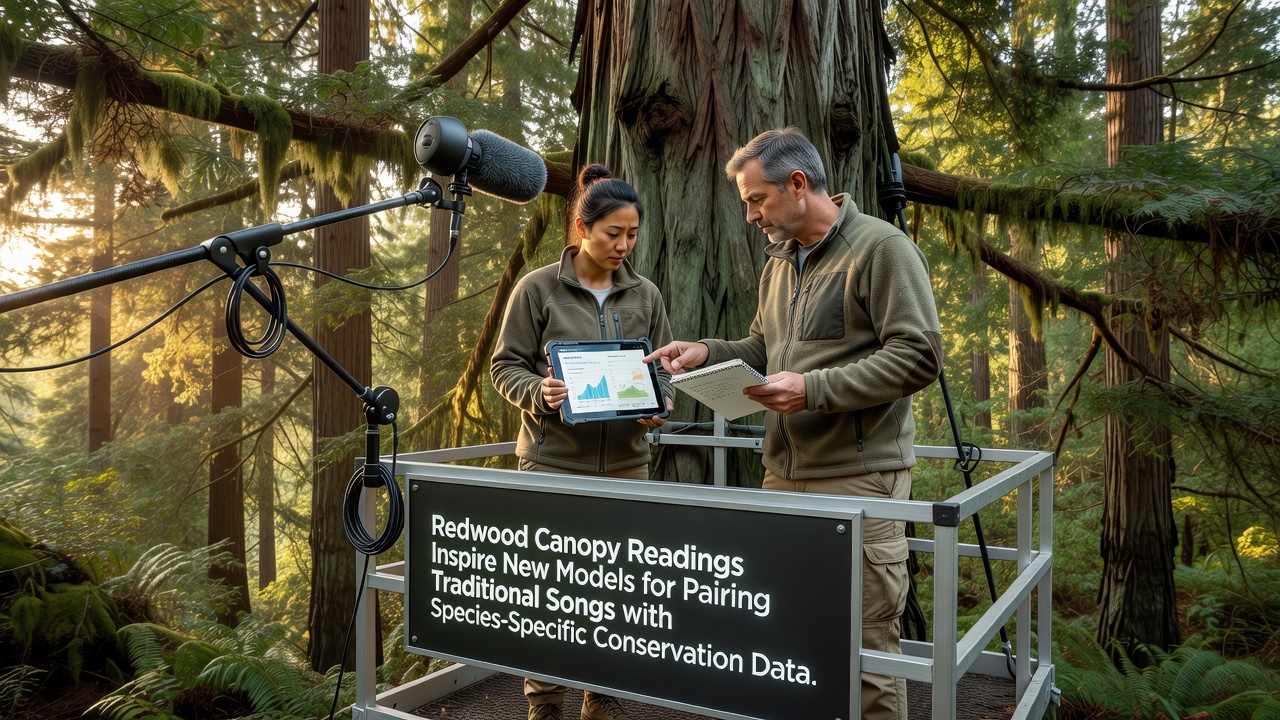
Redwood canopy readings have emerged as a platform where traditional songs connect directly with species-specific conservation data, creating frameworks that researchers and conservationists apply across forested regions. These readings take place high in the canopy layers of old-growth redwoods, where participants gather acoustic samples alongside documented observations of flora and fauna, then align those findings with melodic structures drawn from longstanding cultural traditions.
Observers note that the process begins with field teams recording environmental metrics such as soil moisture levels, bird vocalizations, and epiphyte distributions while simultaneously noting rhythmic patterns from songs passed down through generations in indigenous communities. Data indicates that this dual approach allows for more precise mapping of habitat needs, particularly for species like the marbled murrelet and the northern spotted owl, whose behaviors align with seasonal cycles referenced in the lyrics.
Building Integrated Frameworks
Teams working in these elevated settings compile datasets that pair quantitative measurements with qualitative elements from the songs, resulting in models that track population trends and habitat connectivity. Studies conducted through partnerships with forestry programs show that incorporating melodic cues helps identify migration corridors and breeding sites more effectively than data collection alone. Those who have examined the outputs report that the songs serve as mnemonic devices, enabling field workers to recall complex ecological relationships during extended monitoring periods.
One study revealed that redwood canopy sessions held over multiple seasons produced datasets covering over 200 distinct species interactions, with traditional song elements providing contextual layers that standard surveys often overlook. Researchers discovered correlations between specific verses and documented changes in understory plant density, allowing for predictive adjustments in conservation planning.
Species Data Alignment
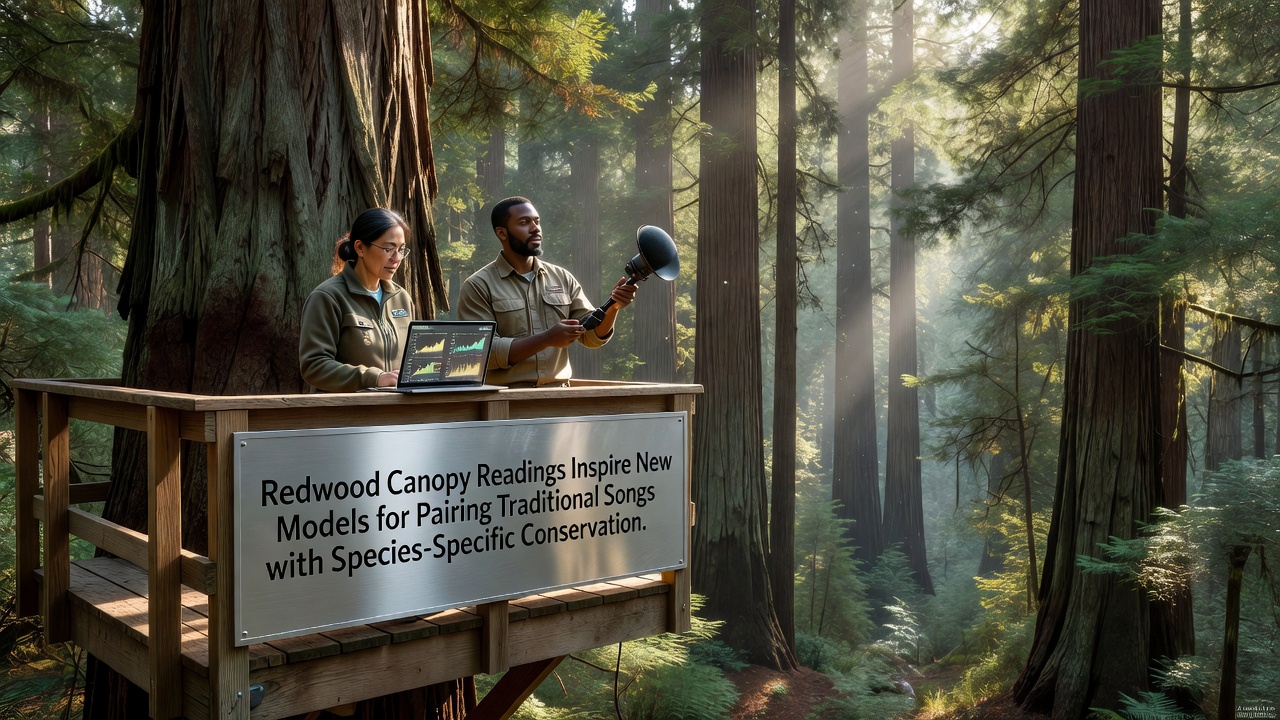
Species-specific conservation data gains new dimensions when paired with these song-based frameworks. For instance, recordings of amphibian calls during canopy events match rhythmic patterns found in regional folk traditions, which in turn highlight moisture retention patterns critical for species survival. Figures reveal that such pairings have informed restoration projects along the Pacific coast, where targeted interventions based on combined inputs improved recovery rates for listed plants and invertebrates.
What's interesting is how the models scale across different redwood stands, with teams adjusting song selections to reflect local dialects and ecological variations. Data from these efforts feeds into broader databases maintained by agencies tracking forest health metrics. According to reports from the California Department of Forestry and Fire Protection, these integrated approaches have contributed to refined guidelines for canopy access and monitoring protocols.
Events Scheduled for September 2026
Plans underway for September 2026 include expanded canopy reading sessions that will test updated pairing models across additional sites in the Redwood National and State Parks region. These gatherings will feature collaboration between ethnomusicologists and ecologists, with live data streams connecting field observations to song archives maintained by cultural institutions. Participants expect to generate fresh datasets that refine existing frameworks for species like the coast redwood itself and associated mycorrhizal networks.
Additional sessions scheduled during that month will incorporate real-time acoustic analysis tools, allowing immediate cross-referencing between traditional melodies and emerging conservation indicators. Such events build on prior work while introducing new variables, including climate-driven shifts in species distributions documented through satellite and ground-based sensors.
Broader Applications and Outcomes
Models developed through these redwood initiatives have found application in other forest types, where similar song-data pairings support monitoring of endemic species. Evidence suggests that the approach strengthens community involvement by drawing on cultural knowledge systems alongside scientific protocols. Links to external resources include guidance from USDA Forest Service publications on integrated forest monitoring and reports from the International Union for Conservation of Nature regarding traditional knowledge in biodiversity assessments.
Those who've studied the results note measurable improvements in data resolution when song elements guide sampling priorities. Ongoing work continues to refine these methods, with attention to scalability and transferability across geographic zones facing comparable conservation challenges.
Conclusion
Redwood canopy readings continue to shape approaches that merge traditional songs with targeted conservation datasets, yielding tools that support species protection efforts through structured, replicable processes. The frameworks established thus far provide a foundation for future expansions, particularly around the September 2026 activities and subsequent field seasons.